Laser facials are the newest skincare trend to go viral, but are laser treatments safe for deeper skin tones?
Everything You Need to Know About Laser Facials
Article Cheat Sheet:
Lasers are a great treatment for creating new collagen and fading hyperpigmentation.
Non fractional lasers with long wavelengths are safe in skin of color because they bypass the melanin
Lasers that are safe for skin of color include NDYAG: 1064 Aerolase, Clear and Brilliant, Moxi Laser.
Laser treatments have become increasingly popular for improving hyperpigmentation, acne scars, uneven skin tone, and signs of aging. However, for individuals with melanin-rich skin, choosing the wrong laser can having damaging side effects.
As a physician, one of the most common questions I receive is whether laser treatments are safe for skin of color. The answer is yes—but not all lasers were created with skin of color in mind.
How Laser Treatments Work
Lasers use specific wavelengths of light to target structures within the skin called chromophores. These chromophores include:
Melanin (pigment)
Water
Blood vessels
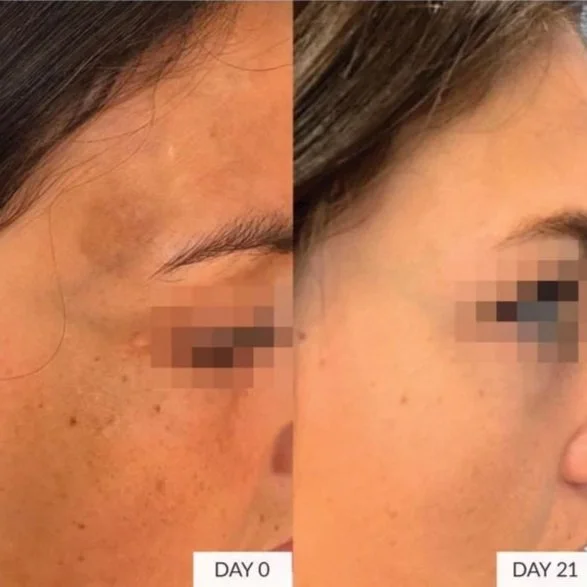
Traditional laser resurfacing treatments work by creating controlled heated injury to the skin. This process stimulates collagen production and accelerates the creation of new skin cells, leading to smoother texture and a more even complexion.
The benefits of laser treatments are twofold:
Increased collagen production, which improves skin texture and firmness.
Shedding of the top layer of skin to reveal more even tone.
Why Skin of Color Requires Careful Attention
Melanin rich skin is uniquely reactive to heat and inflammation.
Any injury to the skin including acne, eczema, burns, or laser treatments—can stimulate melanocytes, the cells responsible for pigment production. This response may lead to post-inflammatory hyperpigmentation (PIH), causing dark spots that can persist for months.
For this reason, laser selection is critical.
The Science Behind Laser Safety in Skin of Color
Many older ablative lasers target the superficial layers of the skin where your melanocytes live.
When melanocytes absorb laser energy, they respond by producing more pigment, increasing the risk of unwanted hyperpigmentation.
Safer options for skin of color are generally non-ablative lasers that utilize longer wavelengths. These wavelengths penetrate deeper into the skin avoiding the melanocytes in the top layer.
My Preferred Laser
Personally l have used and I highly recommend the Aerolaser for skin of color.
AeroLaser utilizes a 650-microsecond pulse duration and a 1064 nm wavelength, allowing treatment of pigmentation, redness, acne, and signs of aging while minimizing the risk of post-inflammatory hyperpigmentation.
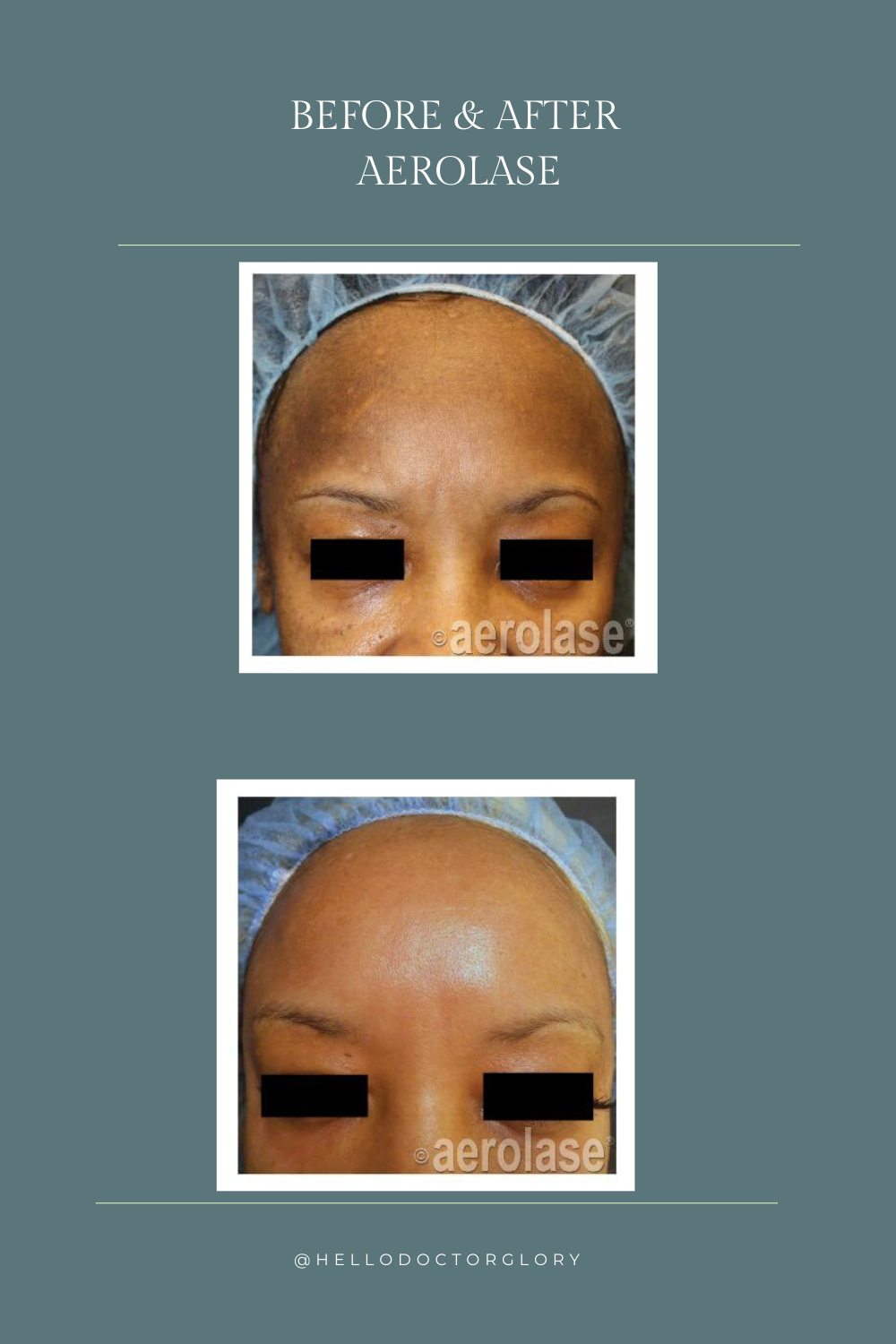
Lasers that are safe for skin of color include NDYAG: 1064, Clear and Brilliant, Moxi Laser.
What I Tell My Patients
Laser treatments can be an excellent tool for improving hyperpigmentation and stimulating collagen production in skin of color. However, success depends on selecting the right laser and working with a provider experienced in treating melanin rich skin. To achieve the best results combine laser facials with the right skincare: Best products to fade hyperpigmentation in skin of color.
Frequently Asked Questions
-
The success of your treatments depend on having the right laser and a provider that knows how to adjust the settings to optimize results while preventing hyperpigmentation.
-
Ablative resurfacing lasers carry a higher risk of worsening hyperpigmentation.
-
It depends on the cause of your dark spots. Melasma generally will take longer to fade than post inflammatory hyperpigmentation. Most patients require multiple sessions 2-3 to see visible changes.
-
Laser treatments are not safe during pregnancy. Pregnant? Here are pregnancy safe products to fade hyperpigmentation.
-
To help prevent hyperpigmentation or burns from laser treatments follow these rules.
Avoid all actives one week prior to treatment (retinol, vitamin C, Azelaic acid, hydroquinone)
After your laser treatment wait 3 days before restarting your actives.
Always wears SPF 35 or higher during sun exposure and reapply every 2 hours
Avoid anything that generates heat (sweating, sauna, hot steams)

Written by Doctor Glory Okugo, MD
Board-Certified Emergency Medicine Physician
Learn more about DoctorGlory